


BoldVoice - Accent Training
4.7381.00 Reviews
App Specs
- Version
- 4.8.2
- Updated On
- License
- Free
- Downloads
- 1,000,000+
- Developer
- BoldVoice
- Categories
- Education
- Platform
- Android
Screenshots

 Analysis by AppCompare
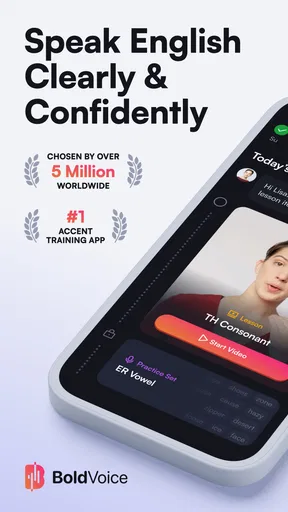
Before choosing an accent coach, I’d first ask what I actually want to change. If I need broader English practice—grammar, vocabulary, reading, or open-ended conversation—an accent app alone won’t cover that. If the stumbling block is being understood when I speak, though, focused pronunciation work can be more useful than another general language course. That distinction is the first reason I’d consider BoldVoice: it is an education app centered on spoken English and American accent coaching, rather than an all-purpose language-learning toolkit.
I’d also think about how I prefer to practice. Some people learn best by repeating short phrases and receiving direct correction; others want to talk freely with a tutor or language partner and learn from the conversation. The former is where this app makes more sense. It gives pronunciation practice a defined shape, which can make it easier to fit into a busy day than arranging a lesson or finding someone available to listen.
Choose a focused routine over a broad course
A practical way to decide is to notice what happens in your everyday conversations. Do you know what you want to say but worry that certain sounds, stress, or phrasing make you hard to follow? That is a more relevant starting point for pronunciation coaching than simply wanting to “improve English” in general. I’d use the app to work on a small set of recurring difficulties, then pay attention to whether those sounds feel easier to produce when I’m speaking without the screen.
That last step matters. Practicing a phrase inside an exercise is not the same as using it spontaneously in a meeting, interview, or phone call. I’d treat the app as a place to rehearse and build awareness, not as a guarantee that every conversation will suddenly feel effortless. The useful question is whether practice helps you notice and adjust your speech outside the lesson, too.
Where its coaching approach can help
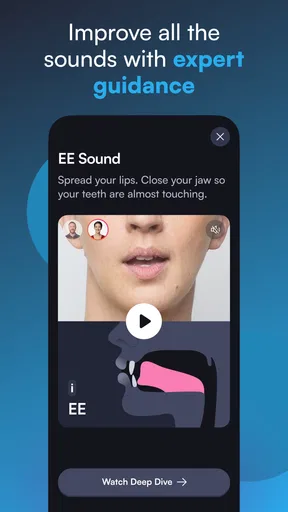
The strongest case for BoldVoice is for someone who wants pronunciation to be the main task, not a small feature tucked into a much larger course. Its lessons focus on sounds and phrases that can be difficult for non-native English speakers, and its feedback gives practice a clear next step. Rather than repeating a line without knowing what to listen for, I can use the guidance to pay closer attention to how I’m forming it.
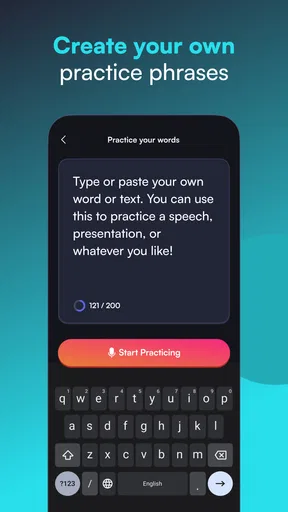
That focus is useful for targeted preparation. If I have a presentation coming up, for example, I could practice a few lines that include sounds I tend to avoid, then rehearse the full presentation aloud later. For a job interview, I might work on speaking clearly under a little pressure before practicing answers in a natural, conversational way. The app can support those routines, but it should sit alongside realistic speaking practice rather than replace it.
When another kind of practice is a better fit
Compared with a general English course, this is a narrower choice. A broad course is likely the better starting point if you need help building vocabulary, understanding grammar, or developing reading and listening skills. A human tutor or conversation partner may suit you better if your main challenge is responding in real time, handling interruptions, or getting feedback on the meaning and flow of a whole conversation. Those options do different jobs; I wouldn’t expect accent exercises to solve every speaking problem.
Worth Reading Before You Choose

EA SPORTS FC Mobile 26 Is a Bigger Football Game, but It Takes Time

Flipboard Shows What News Apps Must Do Beyond the Feed

Switching to Android Auto Means Rethinking Your Driving Routine

Google Calendar Makes a Crowded Week Easier to Manage

Ludo King Makes the Most of the Minutes Between Plans

Baby Panda World Brings Quick Play to Modern Phones, but Its Game Library Feels Busy
There’s also a personal side to accent training. Some learners want to sound closer to a particular variety of English, while others mainly want to be understood and keep their own accent. I’d approach the coaching as a tool for clarity and choice, not as a judgment that one way of speaking is better. If your goal is simply to communicate comfortably, you can focus on the parts of pronunciation that matter to you instead of treating accent removal as the measure of success.
Getting Started with BoldVoice
Once I downloaded the BoldVoice app, the setup was a breeze. The interface is clean and intuitive, making it easy to navigate even if you're not particularly tech-savvy. After a quick sign-up process, I was ready to dive into the world of accent training.
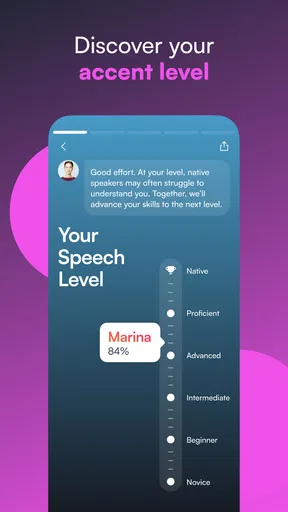
The app begins with a quick assessment to gauge your current accent level. It’s not just about identifying where you stand, but also about tailoring the exercises to suit your needs. I found this personalized approach really helpful, as it made the exercises feel relevant and targeted.
Interactive Lessons and Exercises
The core of BoldVoice lies in its interactive lessons. These aren't your run-of-the-mill language lessons. They're designed with AI technology that provides immediate feedback on your pronunciation. I was genuinely amazed at how quickly I started noticing improvements, even with just a few sessions.
Each lesson focuses on different sounds and phrases that are often tricky for non-native speakers. The app breaks down each sound, offering tips and tricks to pronounce them correctly. And let’s be honest, those tongue twisters can be quite fun!
Turning feedback into practice that transfers
When I use pronunciation feedback, I try not to chase a score by repeating the same phrase until it sounds acceptable in the app. I listen to the guidance, repeat the phrase deliberately, and then try it again later without looking at the prompt. That small change helps me check whether I understood the pronunciation point rather than merely memorized one line. If a phrase still feels awkward, I slow down and focus on the sound before bringing it back to a normal speaking pace.
A useful everyday routine could be a short session before work or class, followed by one deliberate attempt to use the sound in a real sentence later that day. For example, after practicing a difficult phrase, I might make a voice note about a task I need to remember or rehearse one sentence I expect to say in a meeting. The point is not to make every ordinary conversation a lesson; it is to carry one focused observation into speech that matters to me.
Personalized Feedback
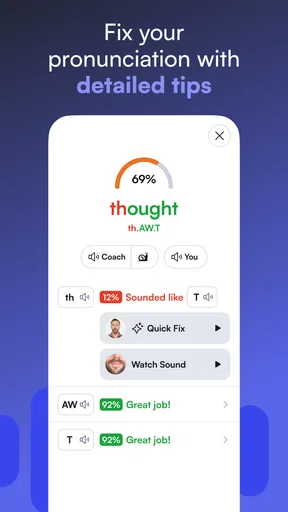
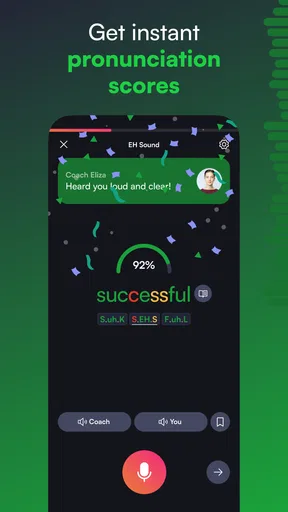
One of the standout features of BoldVoice is the personalized feedback. After you practice a phrase, the app gives you a score and detailed tips on how to improve. It's like having a personal coach in your pocket, ready to help you fine-tune your accent anytime, anywhere.
This feature is particularly useful for those who might feel a bit shy practicing in front of others. You can rehearse at your own pace, and the app’s constructive feedback helps build confidence over time.
How to read the score without overthinking it
I’d treat a pronunciation score as a practice signal, not a verdict on my English or my ability to communicate. A score can help me notice that one attempt was clearer than another, but speaking well also involves pace, word choice, listening, and responding to another person. If a result surprises me, I’d repeat the phrase once with the specific tip in mind and then move on, rather than spending the whole session trying to force a perfect result.
It also helps to practice in a setting where I can speak out loud comfortably. A quiet moment at home is a better fit than trying to complete a spoken exercise on a crowded bus or in a shared office. If I can’t speak freely, I’d save the lesson for later instead of rushing through it silently and expecting the same value. That makes the app’s anytime access practical, while recognizing that pronunciation work needs a little privacy and attention.
Celebrity Coaches and Authenticity
Okay, this is a fun one. BoldVoice has teamed up with celebrity coaches who provide insights and tips. It’s not every day you get to learn from people who have mastered the art of communication. These coaches share personal anecdotes and advice, making the learning experience not only educational but also entertaining.
The authenticity of the lessons is what makes them so relatable. The app doesn’t just focus on textbook English; it’s about real-world conversations and making your accent sound natural and fluid.
Using coach guidance without copying a voice
I find the coach-led element most useful as a source of explanation and encouragement, not as a template to imitate wholesale. A coach can make a pronunciation point easier to understand, but my goal would be to make the sound clear in my own voice. Trying to copy someone’s entire rhythm or personality can feel unnatural and may distract from the specific sound I’m practicing. I’d take one piece of advice at a time and keep the parts of my speech that already feel comfortable.
This is especially relevant for learners who speak English in different settings. The way I present an idea at work may be more careful than the way I chat with a friend, and I don’t need to sound identical in both situations. I’d use the app to build control over particular sounds, then decide for myself how formal or relaxed I want to sound in context.
Progress Tracking and Motivation
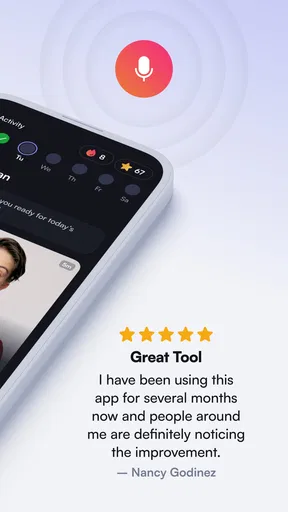
Keeping track of progress is vital in any learning journey, and BoldVoice does this beautifully. The app tracks your improvements over time, offering visual representations of your progress. Watching those graphs climb higher is a great motivator to keep pushing forward.
Plus, the app sends reminders and motivational quotes to keep you engaged. It’s like having a cheerleader cheering you on, ensuring you don’t lose steam halfway through.
Make progress tracking serve your real goal
Progress displays and reminders can help me return to a routine, but I’d pair them with a goal I can recognize away from the app. That might be feeling less hesitant when introducing myself, being easier to understand on a call, or getting through a short presentation without losing confidence over a particular sound. Those outcomes are more personal than a graph, and they help me decide whether the practice is addressing the problem I actually care about.
I’d also avoid turning every reminder into an obligation. A short, attentive session is more valuable to me than opening the app just to preserve a streak or clear a notification. If I miss a day, I can simply pick up with a manageable exercise instead of trying to make up for lost time in one long session. That keeps the routine supportive rather than another source of pressure.
Cost, access, and the commitment to keep using it
The app is free to download, but it includes in-app purchases ranging from $9.99 to $199.99 per item. I’d check what access is included and what a particular purchase covers before committing, especially if I’m still unsure whether structured pronunciation practice suits me. The broad range makes it worth deciding based on the actual option shown in the app rather than assuming every lesson or coaching element is included at no cost.
For context, BoldVoice is from developer BoldVoice, has an average rating of 4.6 from around 10,000 ratings, and has been installed over 500,000 times. It is rated for Everyone, and its current version is 3.5.7. Those figures may help establish that it is an established choice, but they can’t tell me whether its teaching style matches my needs; a few focused practice sessions are a better test for that.
The practical cost is also time and attention. A person who enjoys repeating short phrases and acting on specific pronunciation advice is more likely to keep using it than someone who finds that kind of practice tedious. If I want a live listener to ask follow-up questions, or I need help with grammar and vocabulary at the same time, I’d put my effort into a tutor, conversation group, or broader English-learning course instead. Those alternatives may take more coordination, but they address different needs.
Who is most likely to benefit
I’d recommend trying this approach if you already communicate in English but want a more deliberate way to work on pronunciation, especially if practicing in front of other people makes you self-conscious. It can also suit someone preparing for a specific speaking situation who wants a private place to rehearse before getting feedback from a colleague, friend, or teacher. The best results are likely to come from learners who are comfortable speaking aloud, repeating a phrase, and using feedback patiently.
I’d be less inclined to choose it as my main tool if I’m just beginning English, need a full curriculum, or learn best through spontaneous conversation. It is also not the right fit if I don’t want to focus on accent at all. There’s no requirement to change how you sound in order to speak effectively, and a pronunciation coach is only worthwhile when its goal aligns with your own.
Wrapping Up My BoldVoice Experience
So, is BoldVoice worth your time? Absolutely. Whether you're preparing for an English proficiency test or just want to feel more confident in your everyday conversations, this app is a solid choice. It’s engaging, effective, and offers a personal touch that many language apps lack.
In a nutshell, BoldVoice isn't just about changing your accent; it's about enhancing your communication skills and boosting your confidence. So, if you're ready to take your English to the next level, give BoldVoice a try. It might just be the accent trainer you never knew you needed.
My recommendation
For me, the clearest reason to choose this app is its focused practice: lessons address English sounds and phrases, while feedback gives me something specific to try on the next attempt. I’d start with the assessment, use a few sessions to see whether the coaching style clicks, and connect each exercise to a real speaking situation. I’d judge progress by whether I can use the sound more comfortably in my own sentences, not by expecting a different accent overnight.
BoldVoice was released on June 16, 2021, and supports devices running Android 7.0 or later. It is free to install, with paid in-app options, so I’d explore the experience before deciding whether to spend. My recommendation is straightforward: choose it if pronunciation is the part of English you want to work on and private, guided repetition sounds appealing. If you need broad language instruction or live conversational practice, choose that first and treat accent training as a later, optional addition.
Pros
- User-friendly interface for easy navigation.
- Comprehensive lessons for various accents.
- Progress tracking to monitor improvement.
- Interactive exercises enhance learning.
- Available offline for convenience.
Cons
- Limited free content available.
- Requires subscription for full access.
- Occasional app crashes reported.
- Accent variety could be broader.
- No live feedback from instructors.
FAQs for BoldVoice - Accent Training
What is BoldVoice, and how does it work?
BoldVoice is an accent training app designed to help users improve their English pronunciation. It offers personalized lessons, video tutorials, and speech exercises guided by professional coaches. The app analyzes your speech patterns and provides feedback to help you sound more like a native speaker. It's suitable for various proficiency levels.
Is BoldVoice suitable for beginners, or should I have some prior knowledge of English?
BoldVoice is designed for users at all levels, from beginners to advanced speakers. The app tailors lessons to fit your specific needs and current proficiency, ensuring that you receive the appropriate guidance. Beginners will find introductory lessons helpful, while advanced users can focus on refining nuances in pronunciation.
Does BoldVoice require an internet connection to function?
While some features of BoldVoice might be accessible offline, the app generally requires an internet connection to download new lessons, access video content, and receive real-time feedback on your pronunciation. It’s recommended to have a stable connection to fully utilize the app’s capabilities.
Are there any hidden costs or subscriptions within the BoldVoice app?
BoldVoice offers a free trial with limited access to features. To unlock the full set of lessons and personalized coaching, a subscription is required. The app provides various subscription plans, which are clearly outlined without hidden fees. Users can choose a plan that best suits their learning goals and budget.
How does BoldVoice ensure the accuracy of its pronunciation feedback?
BoldVoice uses advanced speech recognition technology to analyze users' pronunciation and provide accurate feedback. This technology is constantly updated to improve its precision. Additionally, the app includes insights from language experts and native speakers to ensure that the feedback is both relevant and reliable.


